
Football has always been and will always be a major part of Portugal’s sporting culture. Portuguese football clubs play a huge part in European football. The Portuguese league’s clubs have a very good structure and have a great ability to scout and develop youth football players. Portuguese clubs have been producing talent of international quality and winning trophies at the international level. This is the reason Portugal has kept a good balance of tradition and professionalism in its leagues. In this piece of writing, we’ll give an overview of the football clubs in Portugal along with info on leading clubs, structures of the competitions, and important venues. Begin your Betano registration now and let’s get into it!
The Historical Dominance of the Big Three
In Portuguese football history, the major part is played by three clubs which are SL Benfica, FC Porto and Sporting CP. In the 30’s and 40’s, these three clubs, also named the Big Three, started dominating the Primeira Liga and also the major trophies of European football.
This supremacy is not by chance. The Big Three have considerable fan support, more revenue, better academies, and regular participation in Europe. Their success and supremacy shape media, sponsorships, and the development of national teams. Other clubs have tried to dethrone the Big Three, but the gap in competition remains.
SL Benfica: The Most Successful Club in Portugal
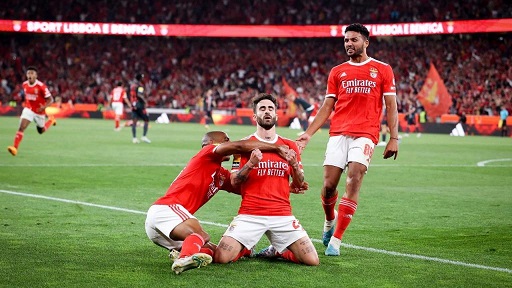
Sport Lisboa e Benfica was founded in 1904 and is the oldest football team in Portugal. They are also one of the most successful football teams in Portugal in terms of the number of national domestic football trophies won. They are based in Lisbon and have been the trendsetter in the portuguese football.
Biggest Trophies
They are the only team to win more than 35 trophies in the top league of Portugal, The Primeira Liga. They have also won more than 5 trophies in the Taça de Portugal and more than 5 trophies in the League Cup. Their greatest success in football was in the early 1960s when they won the European Cup, making Benfica one of the greatest clubs in European football at that time.
They are also one of the most well-performing clubs in football as they have been finishing in top spots in the leagues for many years. This is also one of the reasons why they are one of the most important clubs in Portugal.
Notable Players
Benfica has been home to many notable players who have shaped the course of football, both domestically and internationally. Eusébio is the most famous name and is regarded as one of the greatest football players the world has seen. Other significant players include Rui Costa, Nuno Gomes, Ángel Di María, and more recently, João Félix. Benfica’s reputation as a nurturing ground for talent has also lured many young players, who have since moved to the top leagues in Europe.
FC Porto: International Glory and Domestic Power
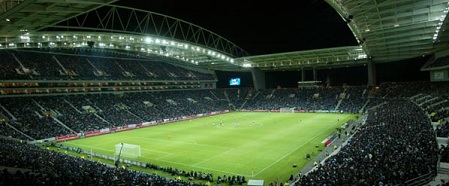
Founded in 1893, FC Porto represents the northern city of Porto and has built a reputation for competitiveness, tactical discipline, and European success. The club has consistently challenged Benfica’s dominance and, in some periods, has been able to surpass it.
Biggest Trophies
FC Porto has crowned the Primeira Liga more than 30 times and has done so dominantly in the domestic cup tournaments as well. Porto stands as the most successful of all the Portuguese clubs internationally. The club has won the UEFA Champions League two times, the UEFA Europa League two times, and the Intercontinental Cup twice. This makes Porto one of the most successful clubs in Europe. Porto’s success is attributed to effective club management, recruitment, and a willingness to embrace the modern demands of football.
Notable Players
Many high-caliber sportsmen have come out of the FC Porto program. Some of the most well-known include Deco, Ricardo Carvalho, Radamel Falcao, and James Rodríguez. Porto is also well-known for recognizing talent and then selling the players to Europe’s top-tier leagues, which cements the club’s reputation in the world of football.
Sporting CP: The Legendary Academy of Sport
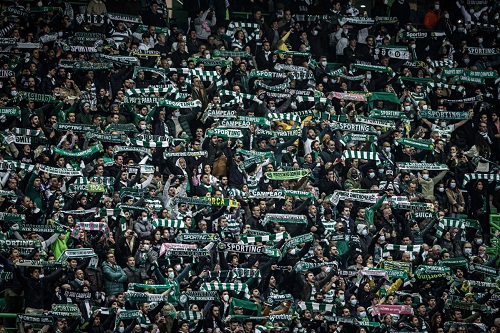
Sporting CP is also part of the Lisbon trio of clubs and started operation in 1906, so it is one of the oldest clubs in history, as the majority of clubs in the world started in the 1900s. While it has fewer league titles than both Benfica and Porto, it has developed a reputation as one of the top clubs for youth scouting and training.
Biggest Trophies
Sporting CP has the record for the most Primeira Liga titles, but it is still far less than the amount Porto and Benfica have. Where Sporting has achieved success on the continental level is winning the UEFA Cup Winners’ Cup in 1964, which is a landmark achievement for the club.
Notable Players
Sporting’s youth academy is rated as one of the best in the world, as players like Cristiano Ronaldo, Luís Figo and Bruno Fernandes, as well as countless other players, emerged from their youth setup. Sporting’s focus on youth development has also been a major contributor to the success of the national team, especially during the periods of less success for Portuguese football at the club level.
SC Braga: Challenging the Top Ranking
For the past few decades, Sporting Clube de Braga has been the most successful candidate to the traditional Big Three. Since 1921, Braga has improved its infrastructure, player quality, and performance on the European stage.
Braga has been a mainstay as a top four finisher in the Primeira Liga and has a European tournament spot almost every season. With wins in the Taça de Portugal and the League Cup, Braga’s trophy cabinet is filled, albeit the League is still to be won. Braga’s relentless upward trajectory has noticeably impacted the degree of tournament in Portuguese football.
Boavista FC: Breaking the Triopoly
In the annals of Portuguese football, Boavista FC has a singular distinctiveness. The club is located in Porto and made history by winning the Primeira Liga in the 2000–01 season, becoming the first and only side apart from the Big Three to win the league in the modern era.
The title won by Boavista in this era was an additional demonstration of just how the league could be won, albeit only for a brief period, as a result of the financial and administrative complications that subsequently beset the club.
Other Important Teams in Portugal
In addition to the top clubs, Portugal has several additional teams that help to shoulder the competitive distribution in the league and provide representation to a broader area. Clubs like Vitória SC (Guimarães), Belenenses, Marítimo, Rio Ave, and Gil Vicente, have been long time members of the top division in Portuguese league.
These clubs, while not normally competing for the title, do help to build a competitive landscape for younger players to improve the overall quality of play in Portugal. They do compete for spots in European tournaments and domestic cup competitions.
Iconic Football Ground Venues Across the Country
Football stadiums in Portugal embody the culture of the respective football club and its supporters. Estádio da Luz, home of SL Benfica, is the largest stadium in the nation and is used for multiple international events. Porto’s Estádio do Dragão is also famous for its modern design and passionate home fans.
Another major venue is Estádio José Alvalade, home to Sporting CP, which has hosted many significant finals and tournaments. Others are Estádio do Bessa, which partners with Boavista FC, and Estádio Municipal de Braga, which is famously located in a quarry. All three showcase a variety of football culture and architectural design.
Professional Competition and the Primeira Liga Structure
With 18 teams, the Primeira Liga is the top level of professional football in Portugal. Each club plays 34 matches in total, 17 home and 17 away, which means they’ll compete against each team in the league. The league determines its standings by the total number of points each club has accrued, and the bottom three teams are relegated to Liga Portugal 2, while the top teams qualify for European competitions.
Between the leagues, there are significant structural, financial, and operational top-down governance controls in place to maintain balance and competitiveness within the league. The overall management of the club, which includes the governing of youth academies and club facilities, determines the distribution of finances and resources. This has kept Portuguese football competitive, especially in comparison to the other European leagues that have significant financial disparity.
FAQs
Which is the biggest club in Portugal?
Considering the number of league titles, fans, and historical significance, SL Benfica is usually viewed as the largest club in Portugal. However, FC Porto’s global audience and prestige due to their international titles places them at the highest level as well.
How many football teams in Portugal have won the league?
Considering that only SL Benfica, FC Porto, Sporting CP, Belenenses, and Boavista FC have won the Primeira Liga, the number of league winners is low. It is also to be noted that the most titles go to the Big Three.
Which Portuguese club has the most international trophies?
When it comes to FC Porto, the most international trophies of any club in Portugal holds true, including the Champions and Europa League.
What is the most famous football ground in Portugal?
Estádio da Luz is the most famous football stadium in Portugal due to its history, size, and international tournaments it has hosted.
Why is the “Big Three” dominance so strong in Portugal?
The financial strength, large fanbase, better youth academies, and regular European football of the big three, leads them to long-term advantages over other clubs.
