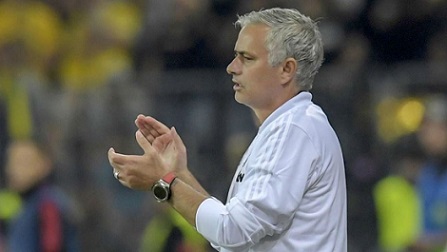
 On 18 December every major news agency in the world was ablaze reporting on the sacking of Manchester United’s Portuguese coach Mourinho. The timing of the sacking was unexpected, but the end result was not. Splits between the manager, dressing room and board had been all too obvious for a prolonged period of time, and there was only so long that United’s board were likely to accept the combination of an apparently petulant manager and a poorly performing team.
Not only is Mourinho out of the door, he’s also faced with the indignity of being replaced by someone with virtually no top-level management experience in Ole Gunnar Solskjaer. The Norwegian was a favourite of the Old Trafford faithful in his playing days, when he was a striker with a clinical touch in front of goal, but his only foray into management outside of his native country was with Cardiff City in 2014; a brief experience which saw him relegated from the Premier League, and then sacked when he looked like he might be steering the Bluebirds toward a second successive relegation. Losing a job at one of the world’s greatest football clubs, when you still feel you have something to offer, is one thing. Having that club consider a virtual novice to be more suited to the task than you is quite another.
And after his dismissal from Chelsea in 2015 under similar circumstances, the reputation of a man who was once thought unassailable as a manager has been severely damaged. At 55 years old, José Mourinho will still believe he has plenty left in the tank to offer, and once he’s rested and reflected, he’ll be keen to prove it, too. So where’s he likely to go next?

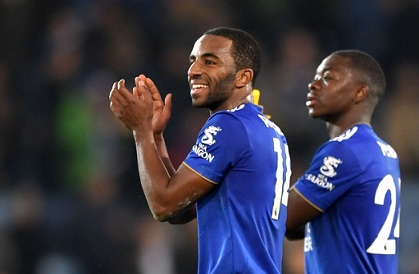 Ricardo Pereira scored with a sweet late strike for Leicester City to beat Premier League champions Manchester City and overshadow Bernardo Silva’s first-half goal. Portugal defender Ricardo’s second goal of the season gave Leicester a 2-1 victory at the King Power Stadium.
 As leagues throughout Europe slow down ahead of Christmas, Portugal’s foreign contingent continue to make the stories across the continent. Bruma steals the headline this week with a crucial winner for Leipzig in Germany, while Rafael Leão made it goals in consecutive games in Ligue 1 and Flávio Paixão helped surprise leaders Lechia Gdansk to another win in Poland.
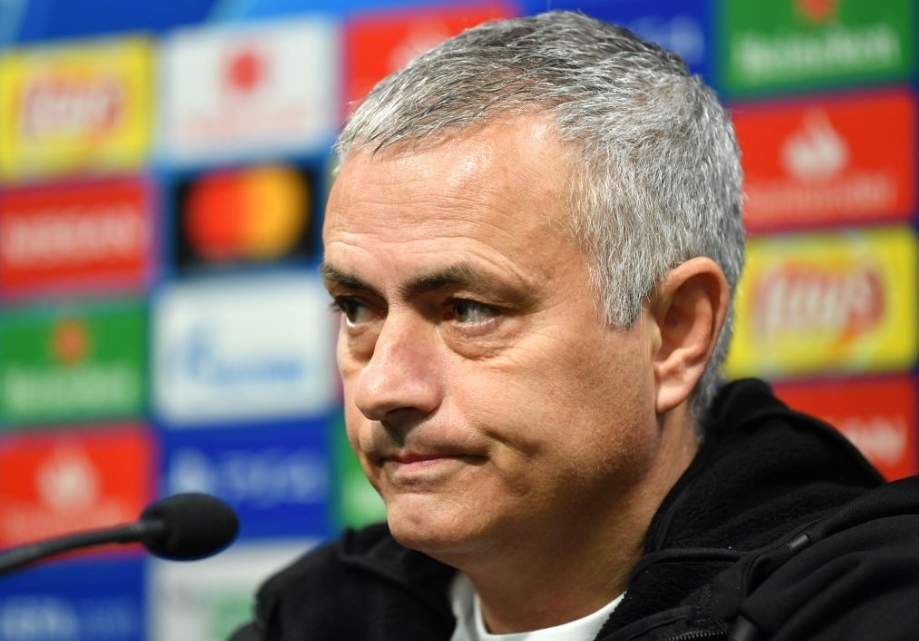 Opinion has always been divided wherever José Mourinho is concerned, once regarded as the meticulous thinker atop of his class just as easily as he was the antithesis of the beautiful game, given his pragmatic ways.
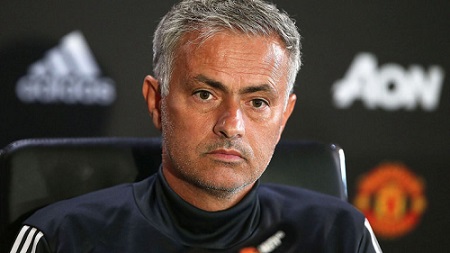 Manchester United have sacked Portuguese manager José Mourinho after 2.5 years at the club.