
The rise of Portuguese football often feels as carefully engineered as the atmosphere inside the Immortal Romance game. Both worlds rely on structure, narrative depth and controlled development. Before exploring how Portugal built its talent ecosystem, many readers also look for reliable platforms offering guidance in responsible entertainment. Resources like Cosmo Casino help users navigate this space with clarity and informed expectations.
Portugal’s football progress mirrors the idea behind strong systems: foundations matter. The country developed a framework capable of shaping raw ability into refined excellence. Understanding how a small nation achieved this transformation reveals an ecosystem powered by culture, innovation and intelligent strategy. The same approach benefits newcomers trying the Immortal Romance game demo, where exploring mechanics without pressure encourages smarter decisions.
Portugal’s football identity is a product of decades of planning. Every component — from training centres to community pitches — contributes to a sustainable cycle of elite talent.
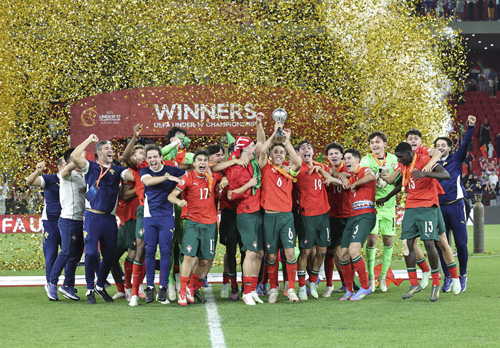
Why Portuguese Football Produces So Many Elite Players
Portugal consistently generates players who adapt seamlessly to Europe’s toughest leagues. This success starts in childhood. Young athletes learn spatial awareness, tactical reading and technical precision. Instead of prioritising size or speed, Portugal develops decision-makers.
Coaches at early stages focus on repetition and confidence. Players learn to manage pressure and recognise patterns. When they move abroad, they already understand how to interpret the game at high speed. Clubs treat development as a continuum rather than isolated phases.
Scouting operates efficiently. Regional competitions attract local experts who identify potential quickly. Promising athletes join structured academies where habits form correctly from the start.
The Academy System as a National Engine
Academies like Benfica’s Seixal operate as professional laboratories. They integrate video analysis, physical monitoring and psychological coaching. Every element ensures athletes grow in a balanced environment.
Sporting’s Academia Alcochete follows similar principles. Its alumni list — including Cristiano Ronaldo — reflects decades of investment. The model values patience. Coaches prioritise stable improvement over rapid results. When players leave these facilities, they carry the discipline required for elite football.
Coaching Philosophy Focused on Technique and Intelligence
Portugal’s coaching culture values intelligence above intensity. Athletes practise situational problem-solving, learning how to control tempo, choose optimal angles and maintain composure.
This style prepares them for diverse tactical systems. The Portuguese league includes defensive blocks, possession models and transitional teams. Experiencing variety builds adaptability. Consequently, Portuguese players settle quickly when moving abroad.
This consistent methodology shapes players capable of excelling anywhere.
Economic Pressures That Push Innovation
Portugal’s clubs operate with limited financial power. Instead of competing for expensive stars, they invested in building a talent pipeline. Clubs also rely on small strategic advantages, treating certain developmental breakthroughs almost like a Bonus factor that supports long-term growth. Strategic necessity fostered creativity. Decisions must be efficient, much like calculated choices in an online slot, where planning reduces risk.
Clubs evaluate every resource: training intensity, staff allocation and player pathways. They cannot afford waste. This discipline transformed constraints into strengths. Portugal built one of the world’s most effective talent economies out of necessity.
Transfer Market as a Growth Model
Player sales fuel the entire Portuguese football system. Clubs acquire young prospects, refine them and sell them to Europe’s top leagues. This cycle generates both reputation and revenue.
Stars like João Félix, Rúben Dias and Vitinha exemplify the model. Their success validates Portugal’s approach. Funds from transfers support infrastructure, scouting networks and educational programmes. As a result, the system grows stronger each year.
Cultural Factors Behind Portugal’s Football Identity
Culture plays a crucial role. Portuguese football blends creativity, resilience and emotional expression. These qualities surface in the nation’s style: fluid motion, technical elegance and controlled improvisation.
Portuguese communities are heavily connected to football. Local rivalries, public pitches and weekend tournaments keep the sport accessible. Children absorb the game early, learning instinctive control and confidence. Culture becomes training long before formal coaching begins.
Street Football and Local Identity
Street football remains a core ingredient in Portugal’s success. Improvised games on uneven surfaces sharpen reflexes and inspire creativity. These conditions force players to adapt quickly and solve problems on instinct.
The environment also preserves humility. Even rising prospects continue playing informally with friends, reinforcing natural confidence and enjoyment. This background complements academy training, forming well-rounded athletes.
Comparison with Other Talent Nations
Nations like France, Brazil and the Netherlands produce vast numbers of gifted players, each through their own systems. France benefits from scale and diversity. Brazil relies on cultural depth. The Netherlands emphasises structured methodology.
Portugal differs by blending discipline with unpredictability. The country cannot rely on quantity, so it perfects quality. Its athletes grow with balanced exposure to creativity and tactical rigour.
This blend explains why Portuguese players succeed in various leagues, from England to Italy.
What the Future Holds for Portuguese Football
The next generation already shows promise. Improved youth leagues and advanced academy facilities accelerate development. Technology enters every stage, from fitness monitoring to tactical simulation.
Financial stability remains a challenge. Yet Portugal continues refining its structures. Partnerships with international clubs expand training opportunities, offering broader pathways for young talents.
Portugal’s future depends on sustaining balance: innovation, discipline and cultural authenticity.
Digital Scouting and Data Models
Modern scouting relies heavily on data. Portuguese clubs analyse movements, decision patterns and performance under stress. These metrics help predict long-term potential.
Digital tools expand reach. Clubs can evaluate prospects globally, comparing their attributes with local benchmarks. This reduces risk and supports smarter investments.
The result is a robust scouting ecosystem that complements traditional observation.
|
Factor |
Meaning |
Impact on Talent Growth |
|
Youth Academies |
Long-term structured training |
Shapes technical and mental foundations |
|
Coaching Philosophy |
Focus on intelligence and adaptability |
Ensures players fit multiple systems |
|
Cultural Identity |
Creative, resilient football culture |
Enhances versatility |
|
Economic Strategy |
Development-driven growth model |
Sustains long-term progress |
Responsible Development Culture
Portugal’s disciplined approach ensures sustainable growth. Clubs communicate expectations clearly and monitor athlete well-being. This transparency resembles models such as RTP, where consistency and predictability matter.
Young athletes learn self-regulation. Training loads are managed to prevent fatigue. Psychological support reinforces confidence. Coaches promote balance between ambition and personal limits.
This environment reduces burnout and ensures athletes remain prepared for long, competitive careers.
FAQ
Why is Portugal considered a talent factory?
It maintains a structured development system that emphasises intelligence, technique and adaptability.
Which academies shape most elite players?
Benfica’s Seixal and Sporting’s Alcochete lead the country, producing global stars through disciplined, long-term training models.
How does Portugal compare to larger football countries?
Although smaller, Portugal produces a high percentage of top performers thanks to an efficient, well-coordinated ecosystem.
What drives the future of Portuguese football?
Advanced data tools, quality academies and international partnerships support ongoing growth and new generations of elite players.
