
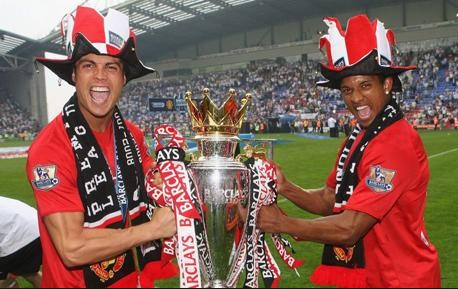
Over the past two decades, Portuguese footballers have become some of the most influential figures in the Premier League. Once considered a league dominated by British physicality and pace, England’s top division has evolved into a more technical and tactical competition, shaped in part by the arrival of elite Portuguese talent. From creative midfielders to commanding defenders and prolific attackers, Portuguese players have not only adapted to the Premier League but have helped redefine it.
For many supporters, following these careers has become more than just fandom. It is a passion project, and for some, even a side hustle built around football content creation and discussion driven by the influence of players from Portugal.
Early Portuguese influence in English football
Portuguese players were relatively rare in the Premier League during its early years. While mainland European footballers gradually entered English football in the 1990s, Portugal’s influence began to grow significantly in the early 2000s. This shift coincided with increased scouting across Europe and a growing appreciation for technical ability alongside physical strength.
The arrival of Cristiano Ronaldo at Manchester United in 2003 marked a major turning point. Signed as a teenager from Sporting CP, Ronaldo represented a new wave of Portuguese talent that combined flair and elite athleticism.
Cristiano Ronaldo and the changing perception
Cristiano Ronaldo’s impact on the Premier League cannot be overstated. Initially seen as a skilful winger with raw talent, he developed into one of the league’s most complete attackers. During his first spell at Manchester United, Ronaldo won three Premier League titles, a Champions League title, and the Ballon d’Or.
His success changed how Portuguese players were perceived in England. No longer viewed simply as technical specialists, they were recognised as elite professionals capable of dominating one of the world’s most demanding leagues. Ronaldo’s return to Manchester United years later further highlighted the lasting connection between Portuguese football and the Premier League.
Midfield control and technical excellence
Portuguese midfielders have played a central role in shaping Premier League teams. Players such as João Moutinho and Rúben Neves demonstrated how intelligence and passing range/vision could thrive in England.
Rúben Neves, in particular, became a standout figure at Wolverhampton Wanderers. Appointed captain at a young age, Neves brought leadership and consistency, while his long-range goals captured widespread attention. His presence helped Wolves establish themselves as a competitive Premier League side, often outperforming clubs with larger budgets.
Similarly, João Palhinha’s arrival at Fulham showcased the growing demand for Portuguese defensive midfielders. Known for his discipline and reading of the game, Palhinha quickly became one of the league’s most effective ball-winners.
Defensive strength and tactical awareness
Portuguese defenders have also left a lasting mark on the Premier League. Rúben Dias’ move to Manchester City is one of the most significant defensive signings in recent years. His leadership and composure on the ball transformed City’s back line almost immediately.
Dias played a key role in Manchester City’s title-winning campaigns, earning individual recognition and setting new standards for defensive performance. His success highlighted the tactical education and mental resilience developed within Portuguese football systems.
Other defenders, such as José Fonte and Ricardo Pereira, have also demonstrated how Portuguese players adapt defensively to the Premier League’s pace while maintaining technical quality.
Wolves and the Portuguese connection
Wolverhampton Wanderers became closely associated with Portuguese talent during the late 2010s. Through strategic recruitment, the club assembled a core group of Portuguese players, bringing cohesion and identity to the team.
Figures such as João Moutinho, Rúben Neves, Nélson Semedo, and goalkeeper Rui Patrício were instrumental in Wolves’ stability and strong league finishes. This Portuguese core provided leadership across the pitch and helped establish Wolves as a well-organised and competitive Premier League side.
This period demonstrated how Portuguese footballers could not only succeed individually but also thrive collectively within a structured Premier League environment.
Why Portuguese players have seen so much success
Several factors explain the success of Portuguese players in the Premier League. Youth academies in Portugal place strong emphasis on technical development, tactical understanding, and mental discipline from an early age. This prepares players for the demands of elite football across Europe.
Additionally, Portuguese players often develop versatility, allowing them to adapt to different systems and playing styles. This flexibility has become increasingly valuable in the Premier League, where tactical variation is common.
Language skills and cultural adaptability also contribute to smoother transitions, helping Portuguese footballers settle quickly into English football.
The future of Portuguese influence
The pipeline of Portuguese talent shows no signs of slowing. Younger players continue to arrive in the Premier League with strong foundations and international experience. Clubs increasingly view Portugal as a reliable source of technically gifted, tactically intelligent footballers capable of immediate impact.
As the Premier League continues to evolve, Portuguese players are likely to remain central figures, shaping the league’s style and competitiveness for years to come.
