
Seven years ago, the idea of a Portuguese coach being the hottest commodity in Brazilian football would have sounded strange. Brazil had always exported footballing ideas, not imported them, and its clubs tended to recycle the same pool of domestic coaches. Then Jorge Jesus arrived at Flamengo in 2019, and everything changed.
Since then, Portuguese managers have won Brasileirão titles, Copa Libertadores trophies and, in Abel Ferreira’s case, a place among the most decorated coaches in Palmeiras history. That raises a fair question for anyone who follows the league closely: does hiring a Portuguese coach make a club a better bet?
The Jorge Jesus effect
Jesus didn’t just win at Flamengo, he did it in a way that made Brazilian football sit up. His 2019 side won the Brasileirão and the Libertadores in the same season, pressing high, keeping a full-back pushed on in possession and playing with an intensity few Brazilian teams had matched. Flamengo had money and talent before he arrived. What they hadn’t had was a structure that made the talent work together every week.
The result was a shift in how Brazilian clubs looked at the coaching market. Within a couple of years, Portuguese managers were being linked with almost every big job in the country, and Brazilian directors were flying to Lisbon and Porto to interview candidates.
Abel Ferreira and the long-term model
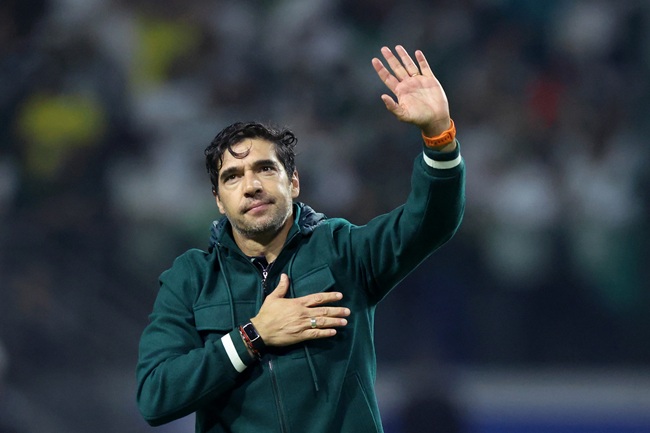
If Jesus showed what a Portuguese coach could do in one season, Abel Ferreira showed what one could do over years. He took over at Palmeiras in November 2020, won the Libertadores in his first months and then won it again in 2021. The Brasileirão followed in 2022 and 2023. His contract now runs to the end of 2027, which would mean seven straight seasons at the club if he sees it out.
Abel’s success matters for the odds question because it’s sustained. One brilliant season can be explained by luck, a hot striker or a weak league that year. Five-plus seasons of contending can’t. Palmeiras under Abel have become one of the clubs bookmakers price as a title contender almost by default, before a ball is kicked.
Artur Jorge and the Botafogo season
The third big example came in 2024, when Artur Jorge led Botafogo to a Brasileirão and Libertadores double. Botafogo were not one of the usual suspects. Their recent history included painful collapses, and few people outside the club saw them as favourites at the start of that season.
That’s the most interesting case from a betting point of view, because it’s the one where a Portuguese coach clearly beat the market’s expectations. Palmeiras and Flamengo were always going to be short in the betting. Botafogo were not, and anyone who trusted the coaching appointment early would have found serious value.
It doesn’t always work
The picture isn’t one-directional. Paulo Sousa’s spell at Flamengo in 2022 was brief and unhappy. Vítor Pereira had an encouraging year at Corinthians but struggled after moving to Flamengo. Brazilian football can be brutal to coaches who don’t win quickly, and boards rarely give anyone more than a few bad months.
The difference between the successes and the failures tends to come down to two things. The first is time: Abel survived a difficult early spell because Palmeiras’ leadership backed him. The second is squad fit. Coaches who arrived with a rigid system and tried to impose it on a squad built for something else usually didn’t last.
What happens to the odds when a Portuguese coach arrives?
Watching the markets around these appointments shows a pattern. When a big Brazilian club announces a well-known Portuguese coach, title prices tend to shorten almost immediately, often before the coach has taken a training session. The market is pricing in reputation.
Anyone tracking odds brasileirão movements will notice that this initial reaction can go too far. A new coach needs weeks, sometimes months, to install his ideas, and Brazil’s packed calendar leaves little time for training. The early results are often mixed, and the price drifts back out.
That drift is where the opportunity tends to sit. A coach with a proven method, a supportive board and a squad that suits his style is often a better bet a couple of months into the job than on the day he’s unveiled.
Why Portuguese coaches keep succeeding in Brazil
There are some obvious reasons the relationship works. The shared language removes a barrier that Spanish, Italian or German coaches would face, and Portuguese football has a strong coaching education culture, with the Primeira Liga producing tactically sophisticated managers who are used to getting the best out of limited budgets.
There’s also a cultural fit. Portuguese coaches understand Brazilian players, partly because they’ve managed so many of them in Portugal. Porto, Benfica and Sporting have relied on Brazilian talent for decades, so a coach coming through the Portuguese system has usually worked with Brazilians long before he gets to Rio or São Paulo.
The verdict
Does a Portuguese manager shorten a club’s Brasileirão odds? In the short term, yes, almost always. The market loves the profile. Whether that shortening is justified depends on the coach, the club and how much patience the board has.
The best results have come where all three line up: a coach with a clear method, a club with the resources to support it, and a leadership willing to ride out the difficult weeks. Jesus at Flamengo, Abel at Palmeiras and Artur Jorge at Botafogo all had that. The next Portuguese coach to land a big Brazilian job will be priced as if he does too, and the smart move is to wait and see whether he really has it.
